- Parenting, Resilience
Exams, Expectations and Emotional Energy: Helping Teens Recover After High-Stress Terms
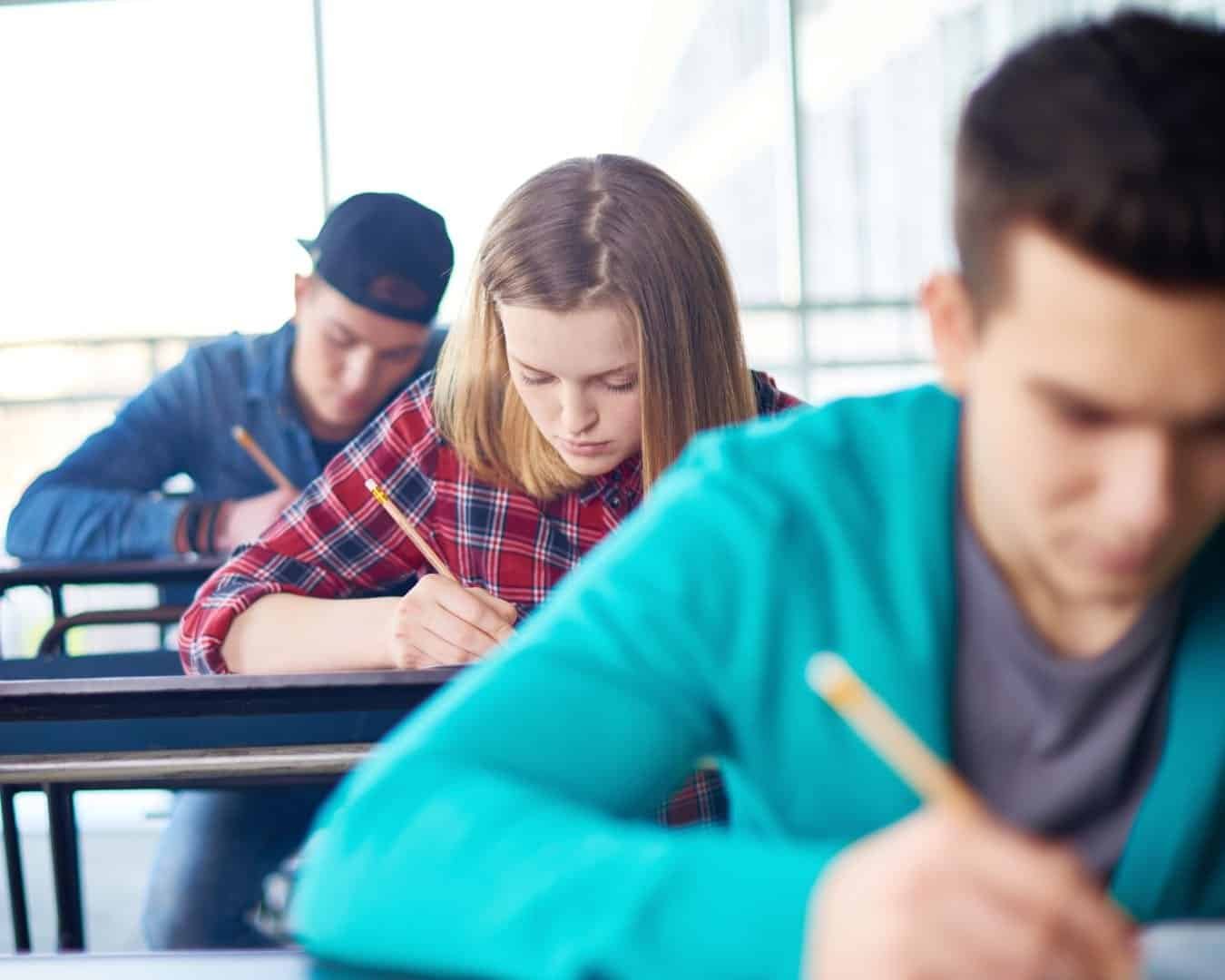
For many families across the world, late November to early December brings the end of a long academic term — one filled with exams, late nights, pressure, and performance talk. As papers are handed in and grades begin to trickle back, homes everywhere share a collective sigh of relief.
But for many tweens and teens, relief is quickly followed by something quieter: emotional exhaustion. The adrenaline that kept them focused starts to fade, replaced by fatigue, irritability, or self-doubt. Parents might see mood swings, withdrawal, or bursts of restlessness and wonder, “Aren’t they meant to be happy it’s over?”
The truth is, finishing exams doesn’t automatically switch off the stress response. In fact, it’s the recovery period that determines how well young people rebuild motivation, confidence, and mental balance. And right now, that recovery is more essential than ever.
The Cost of Constant Pressure
Adolescence is already a demanding time. Add the growing global pressure to achieve, and the stakes rise fast. Across cultures, teens describe a similar sense of “never enough” — not enough grades, not enough sleep, not enough calm.
A 2024 OECD survey across 34 countries found that over 60% of secondary students reported feeling “constant pressure to succeed.” In India, 8 out of 10 teens said they experience exam-related anxiety; in the UK, nearly half of 15–17-year-olds report burnout symptoms by the end of the school year. South African data mirrors this: research from the University of Cape Town (2024) found that 56% of teens felt “overwhelmed or exhausted” by academic expectations.
Psychologist Dr Lisa Damour, author of The Emotional Lives of Teenagers, notes that stress itself isn’t the problem — it’s the lack of recovery time. “Healthy stress helps us grow,” she writes. “But chronic, unmanaged stress leads to emotional depletion.”
When exam stress becomes constant, it can mimic burnout: difficulty concentrating, disrupted sleep, irritability, loss of motivation, and even physical symptoms like headaches or stomach aches.
The Science of Recovery

The adolescent brain is still developing its executive functions — planning, focus, and emotional regulation — and is particularly sensitive to chronic stress hormones like cortisol. When exams stretch over days or weeks, those hormones stay elevated, making it hard for the brain to shift from “performance mode” to rest.
Recovery isn’t just about sleeping in or scrolling on the couch. True restoration involves psychological detachment — giving the mind and body permission to step out of evaluation mode.
A 2023 study published in the Journal of Youth and Adolescence found that teens who engaged in recovery activities that combined rest, reflection, and reconnection — rather than passive scrolling — showed faster emotional regulation and greater resilience in subsequent school terms.
Reframing Rest: What Teens (and Parents) Get Wrong
For high-achieving or anxious teens, rest can feel uncomfortable. Some even feel guilty for relaxing, fearing they’ll “fall behind.” This guilt is reinforced by the cultural message that success depends on constant productivity.
Psychologist Dr. Pooja Lakshmin calls this “toxic productivity” — the belief that value equals output. She warns that it often begins in adolescence, when grades and achievement are first tied to self-worth.
Parents can help reframe rest not as indulgence, but as part of performance — the refuelling that makes growth sustainable. As neuroscientist Dr Andrew Huberman puts it: “The brain consolidates learning and memory during rest — not during stress.”
How Parents Can Support Post-Exam Recovery
Here are six evidence-based strategies parents can use to help teens decompress and reset emotionally after exam periods — without losing motivation or structure.
1. Make space for “nothing time”
Teens need downtime that isn’t structured, screen-dominated, or goal-oriented.
Encourage unplanned afternoons, walks, or daydreaming. Research from the University of Melbourne (2023) found that students who took short “microbreaks” — even just ten minutes of quiet — showed lower anxiety and better focus in the following week.
“You’ve worked hard — your brain needs time to idle, just like a phone cooling off after heavy use.”
Give permission for pauses. True rest isn’t laziness; it’s maintenance.
2. Celebrate effort, not outcome
Avoid focusing solely on marks or ranks. Instead, highlight perseverance, focus, or courage.
“I’m proud of how you managed your focus and kept going — that takes real strength.”
Research from psychologist Dr Carol Dweck on growth mindset shows that when effort is praised over results, students build resilience and are more likely to take healthy risks in learning.
3. Help them process — not perform
After exams, teens often replay mistakes in their heads. Allow space to talk through feelings before moving to solutions.
“It’s okay to feel disappointed — that’s part of caring. What do you think helped, and what might you do differently next time?”
Reflective conversation transforms frustration into self-awareness. It also models emotional literacy — the ability to name and navigate feelings.
4. Reconnect them with life beyond academics
Re-engagement with creativity, friendship, and movement restores emotional energy.
Encourage one joyful, non-academic activity daily — music, cooking, cycling, or seeing friends offline. In Australia’s Headspace Schools programme, wellbeing outcomes improved by 30% when students spent just an hour a day doing non-performance activities.
“You’ve been in your head for weeks — it’s time to get back into your life.”
5. Protect rest and rhythm
Teen sleep is one of the strongest predictors of mental health. Yet studies show that exam periods dramatically shorten rest — and recovery sleep afterwards is often insufficient.
In India’s Student Wellbeing Report (IC3 Institute, 2025), 75% of final-year students reported getting fewer than seven hours of sleep during exam months. Sleep deprivation not only worsens mood but impairs learning consolidation — making “catching up” harder later.
Create small, consistent routines: no devices 30 minutes before bed, dim lights, quiet music, and a consistent wake time.
6. Model calm, not urgency
Teens absorb their parents’ energy. If adults stay anxious about grades or next steps, kids mirror that stress. Show calm curiosity instead of urgency:
“I’m interested to see what you’ve learned from this term — not just from your marks, but from the whole experience.”
When parents model emotional steadiness, teens learn that self-worth and love are not conditional on performance.

Rest as the Foundation for Growth
Recovery isn’t about doing nothing; it’s about doing what restores you. That could be sleeping longer, writing, drawing, reconnecting with friends, or simply laughing.
Studies from the University of Cape Town and the Journal of Adolescent Research show that when rest follows structured effort, it consolidates motivation and builds self-efficacy — the belief that “I can handle challenges again.”
It’s not just emotional — it’s neurological. The brain processes and strengthens memory during downtime. Without it, effort dissipates rather than builds.
When to Worry
It’s normal for teens to feel flat after exams, but signs of prolonged exhaustion may indicate something deeper. Watch for:
- Ongoing irritability or hopelessness
- Avoidance of previously enjoyed activities
- Changes in sleep or appetite
- Withdrawal from friends or family
If symptoms persist, professional guidance can help. Cognitive-behavioural therapy (CBT), mindfulness training, and school-based resilience programmes have shown strong outcomes in rebuilding confidence and focus.
A Shared Reset

Recovery isn’t just for teens. Many parents and teachers feel the same emotional fatigue. When adults model rest — reading for pleasure, exercising, journaling, or simply slowing down — teens learn that restoration is not a reward; it’s a rhythm.
Families can use this post-exam window to pause and reflect together:
What felt meaningful this term?
What habits made us feel well (or unwell)?
What can we carry forward — and what can we leave behind?
Using tools like the Wisely Planner, families can journal or note small moments of pride and growth, reinforcing reflection as a shared ritual, not a solitary act.
The Takeaway
The end of exams is not the end of stress — it’s the beginning of recovery. Helping teens slow down, reflect, and restore their energy doesn’t make them less ambitious; it makes them sustainable.
Because resilience isn’t built by pushing through exhaustion — it’s built by learning when to pause, repair, and begin again with perspective and calm.
Because the most powerful “like” they’ll ever get is the one they give themselves.
We're Here for You
Parenting tweens and teens isn’t always easy, but small steps can make a big difference. The Wisely Planner is here to support your family every step of the way.
If you ever have questions, need advice, or just want to share your child’s progress, don’t hesitate to reach out to us at hello@wiselyandco.com. We’re in this together, cheering for you and your amazing kids.
References
Damour, L. (2023) The Emotional Lives of Teenagers: Raising Connected, Capable, and Compassionate Adolescents. New York: Ballantine Books.
Dweck, C.S. (2006) Mindset: The New Psychology of Success. New York: Random House.
Headspace Schools (2023) Youth Wellbeing Impact Report. Melbourne: Headspace Australia.
IC3 Institute & CISCE (2025) Student Well-being Pulse Report 2025. New Delhi: IC3 Institute.
Lakshmin, P. (2023) Real Self-Care: What It Means, Why It Matters, and How to Nurture It. New York: Penguin Life.
OECD (2024) Global Student Wellbeing Survey 2024. Paris: Organisation for Economic Co-operation and Development.
University of Cape Town (2024) Teen Mental Health and Academic Stress Study. Cape Town: UCT Psychology Department.
University of Melbourne (2023) ‘The restorative power of microbreaks in student performance’, Educational Psychology Review, 35(4), pp. 1101–1115.
